Philips FP 70
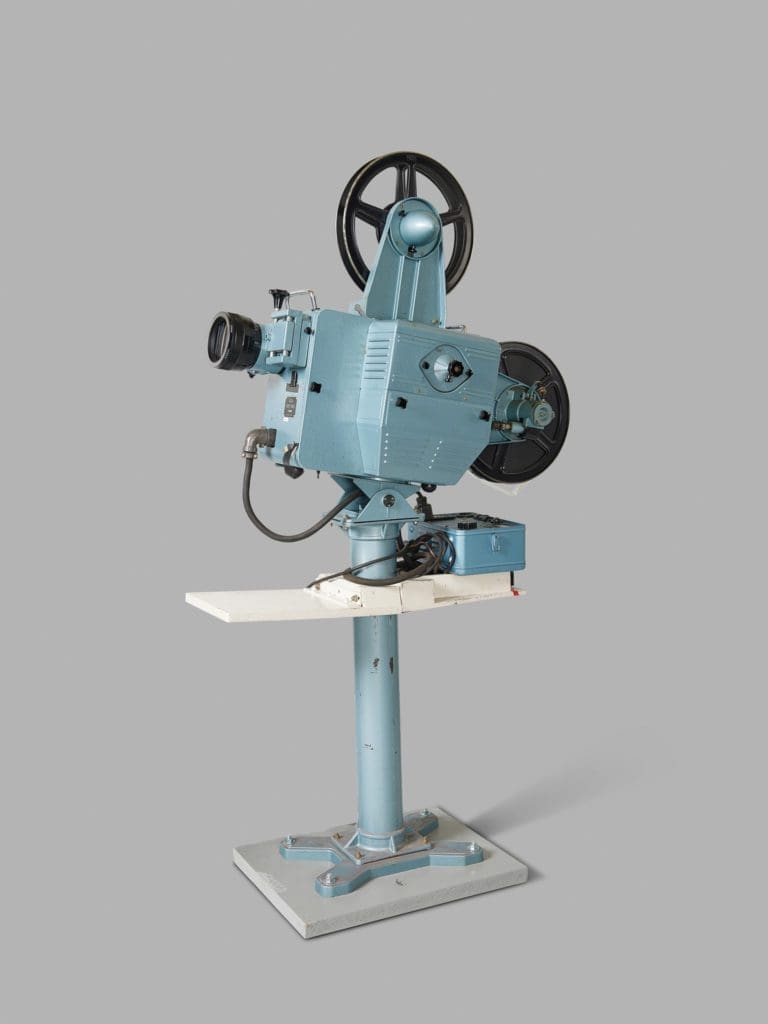
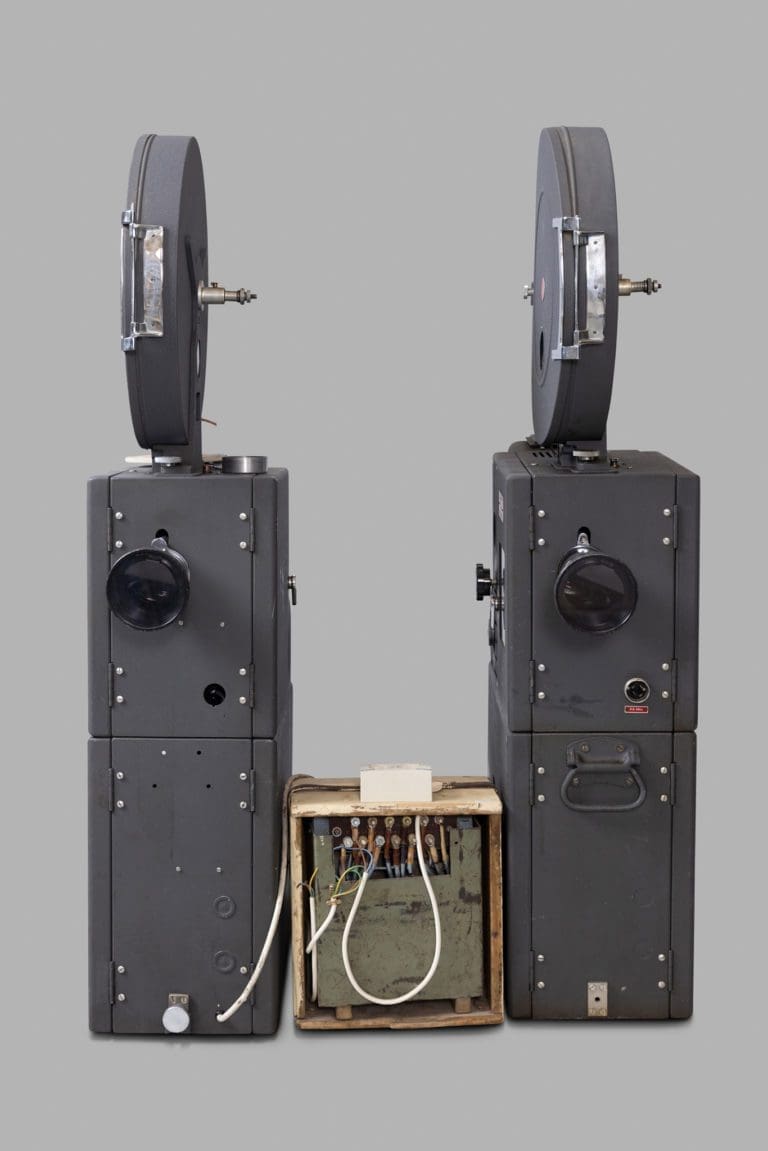
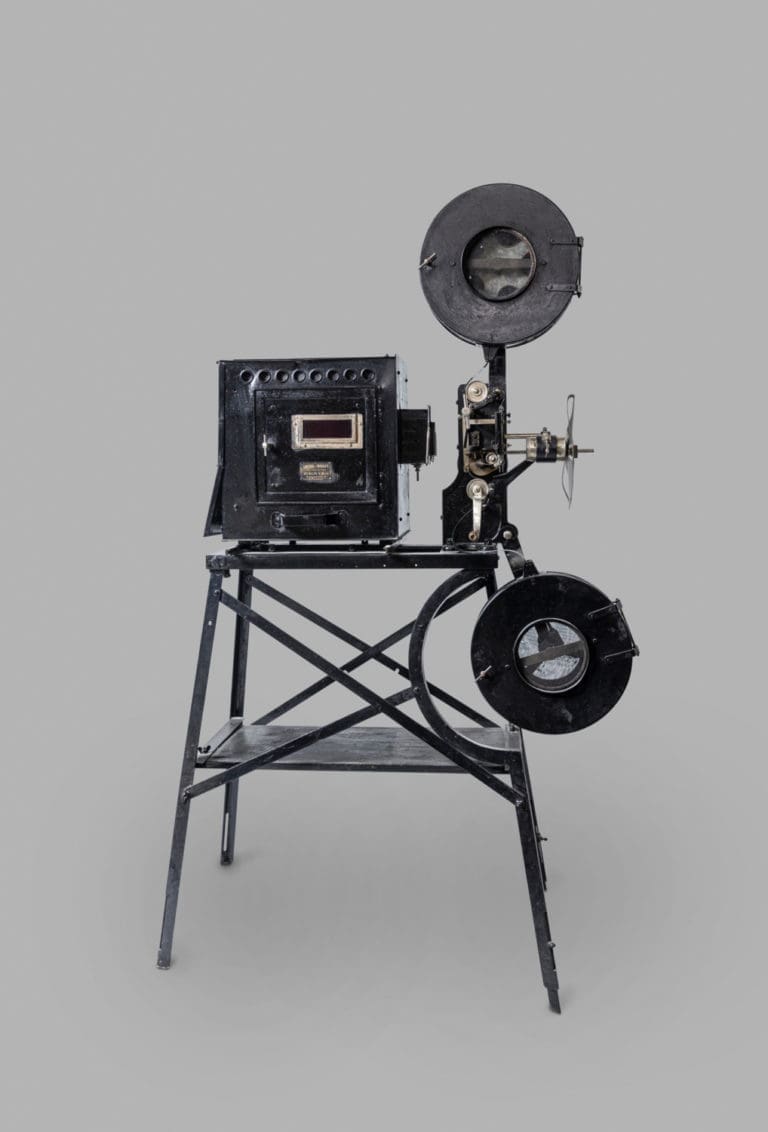
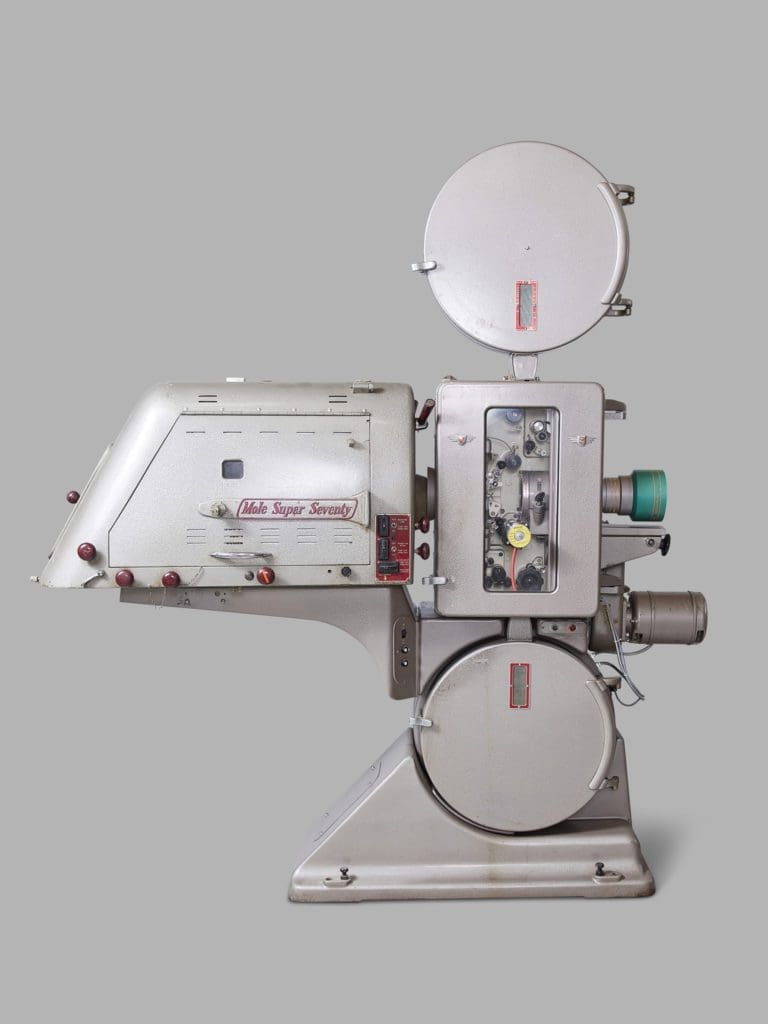
Philips FP 70 film projector for 35 and 70 mm film. The projector was originally equipped with a carbon arc lamp, which was replaced with a xenon lamp while it was still in use at the University Cinema. The carbon arc house is from Mole Super Seventy. To play sound on the 70mm film, a six-track magnetic track was used, while a conventional optical track was used for the 35mm film. The projector was later modified to accept Dolby Stereo, and subsequently, readers for Dolby Digital and STTS Digital were installed when they were introduced. The projectionist was purchased new for the opening of Háskólabíó on October 11, 1961. The projector was used almost daily until June 14, 2000, when it was replaced. The projector was in the projection booth of Háskólabíó until Háskólabíó handed the projector over to the National Film Archive of Iceland in 2005. Bogi Ó. Sigurðsson and Karl Guðmundsson were the first projectionists of Háskólabíó. Initially, there was one auditorium at Háskólabíó that held about 1,000 people. Two projectors were used because a single machine could only show 20-minute films at a time, so the projector had to be changed every 20 minutes. When more screens were added to the University Cinema, a plate had to be attached to the projector so that a projectionist was not needed in every auditorium. The plate made it possible to show the entire film in one go, without having to rewind. A sister machine to this one is still in the projection booth of the University Cinema, but it is planned to be put on display in the theater's lobby. Four identical machines were imported into the country. The Film Archive has another machine of the same type that was used in Laugarásbíó from its opening on May 17, 1960, until the year 2000. Laugarásbíó, however, took a different approach than Háskólabíó when it came to moving the film through the projector after the theater was converted into a multiplex. Laugarásbíó used large reels that held the entire film, but this also required rewinding after the screening, which took up to seven minutes and was very inconvenient. Projectors of this type were the flagships of their time, and 70mm screenings were considered the finest thing available. The projector was expensive to buy, but the lens for 70mm film cost about as much as a two-bedroom apartment at the time. The films were also very expensive and could not be subtitled. Maintaining the projector was costly and complicated, as the machine's 35mm and 70mm transport reels were combined, which made spare parts about ten times more expensive than those for 35mm projectors. Therefore, very few 70mm films were produced during this time. Consequently, not many 70mm films were shown in the country, and so mainly 35mm films were screened on these projectors. High operating costs were the main reason the projector was replaced at the University Cinema. The technology for showing movies didn't change much during these years, but as it evolved, changes were usually made to the projection equipment and they were upgraded instead of buying new equipment, which is what was eventually done at both theaters.
- Catalogue no.
- Ss 04-2, 1
- Category
- Movie projectors